
How to Preserve and Store Banknotes: Best Practices
Protect your Indian paper money from fading and wear. Master the best ways to store banknotes by controlling light, humidity, and handling for long-term value.
Preserving and storing banknotes correctly is essential for maintaining their condition, value, and historical significance. Even minor exposure to light, humidity, or improper handling can cause irreversible damage, reducing both the visual appeal and market value of a note. For collectors, protecting banknotes is just as important as acquiring them.
Banknotes are made from delicate materials such as paper or polymer, making them highly sensitive to environmental conditions and physical stress. Without proper care, issues like fading, staining, warping, and brittleness can develop over time, especially in older or high-grade notes.
If you are building a collection, you may also want to start with our guide on how to start collecting Indian banknotes, and understand how condition affects pricing in our article on understanding banknote values.
In this guide, we’ll explore the best practices for preserving and storing banknotes, including handling techniques, storage materials, environmental control, and long-term protection strategies.
Why Proper Preservation and Storage Matter
Proper preservation and storage are essential for maintaining the condition and value of a banknote collection. Banknotes are typically made from paper, polymer, or other sensitive materials that can degrade when exposed to environmental factors. Sunlight, for example, can cause fading and weaken the fibers in paper notes, leading to brittleness and discoloration. Moisture and high humidity can encourage mold growth, warping, and other forms of damage, while temperature fluctuations can cause the paper or polymer to expand and contract, weakening the note’s integrity over time. By storing banknotes in controlled environments, collectors can shield them from these harmful factors, preserving both their visual appeal and physical condition.
Beyond aesthetics, proper preservation is critical for maintaining a banknote's market value. Collectors often place high value on banknotes that are in excellent condition, especially rare or historical notes. Damage such as fading, staining, or tearing can significantly reduce a banknote’s grade and, in turn, its value. As a result, taking proactive steps to protect each note is essential for collectors who view their collections as financial investments. Proper storage practices, like using acid-free sleeves, climate-controlled storage, and avoiding frequent handling, help protect each note's condition, ensuring it remains as close to its original state as possible.
Preserving banknotes also helps protect their historical and cultural significance. Each banknote tells a story, whether of a country’s economic history, technological advances, or political changes. When banknotes are preserved properly, future generations can experience these pieces of history firsthand, appreciating the craftsmanship and artistry they represent. Good storage practices ensure that each note remains not only a valuable financial asset but also a well-preserved artifact that continues to hold meaning for years to come.
Environmental Conditions to Avoid
When it comes to preserving a banknote collection, controlling environmental conditions is crucial. Exposure to sunlight, humidity, and temperature fluctuations can severely impact the longevity and quality of banknotes, causing irreversible damage. Understanding these environmental risks and implementing preventative measures can help maintain a collection’s condition and value for years.
Sunlight and UV Exposure: Sunlight and UV rays can cause colors on banknotes to fade over time, leaving the paper brittle and discolored. Storing banknotes in direct sunlight or in areas with significant exposure to artificial light should be avoided. UV-filtered storage areas or protective sleeves can help block these harmful rays and prolong the life of banknotes.
Humidity and Moisture: Excess moisture can lead to mold growth, discoloration, and paper warping. Ideal humidity levels for banknote preservation range between 40-55%. Using silica gel packets in storage areas can help maintain stable moisture levels and protect notes from dampness.
Temperature Fluctuations: Extreme or fluctuating temperatures can weaken the fibers in banknote paper, making it brittle over time. The ideal temperature range for storing banknotes is between 60-70°F (15-20°C). Banknotes stored in areas like basements, attics, or near heating and cooling vents are more prone to damage due to temperature fluctuations.
Handling Banknotes with Care
Proper handling techniques are essential for preserving the condition and value of a banknote collection. Banknotes are highly sensitive to oils, dirt, and even minor physical pressure, all of which can lead to wear and tear over time. By following a few key handling practices, collectors can protect their notes from unnecessary damage and ensure that each piece remains in top condition.
Clean Hands: Oils, dirt, and moisture from hands can leave marks or stains on banknotes, especially on high-grade or uncirculated notes. Washing hands thoroughly before handling notes is recommended.
Avoid Folding and Creasing: Every fold or crease on a banknote lowers its grade and potentially its value. Banknotes should be handled with care, supported by both hands or tweezers to avoid accidental bending.
Proper handling is closely linked to grading, as even small folds or marks can significantly affect a banknote’s condition and value over time.
Storage Materials
Selecting high-quality storage materials is crucial for preserving banknotes. The wrong type of storage can cause chemical reactions that harm the note’s appearance and structure over time.
Protective Sleeves: Acid-free, archival-quality plastic sleeves made from polyester (Mylar), polypropylene, or polyethylene are ideal for storing banknotes. Avoid PVC-based plastics, as they emit chemicals over time that can damage the note’s surface. Sleeves also protect against dust, dirt, and moisture, while allowing for easy viewing.
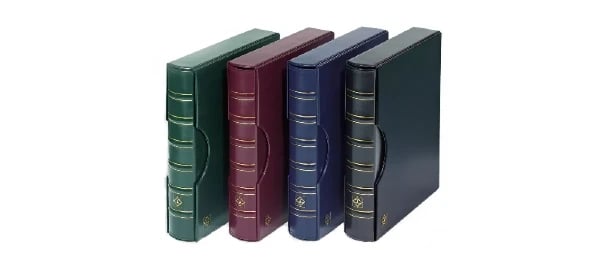
Albums and Binders: For collectors who wish to display their collection, acid-free albums with transparent pockets are a practical solution. Albums should be stored flat, not upright, to prevent pressure or bending. Avoid overstuffing albums, as this can lead to creases.
Encapsulation: For high-value notes or notes in particularly fragile condition, encapsulation is an excellent choice. This involves sealing the note in a rigid, transparent holder that provides complete protection from external elements while preventing any physical contact. Third-party services are available to encapsulate notes professionally, adding a tamper-evident seal for security. Professional encapsulation is often used for rare or high-value notes, and you can learn when it makes sense in our guide on Should You Submit Indian Banknotes to PMG.
Organizing Your Collection
A well-organized banknote collection not only enhances the collector’s experience but also preserves each note’s condition by minimizing unnecessary handling. By classifying and storing notes effectively, collectors can keep their collections accessible while reducing the risk of accidental wear.
Classification by Value, Age, or Theme: Organizing a collection by denomination, country, theme, or historical period helps keep it accessible and enjoyable to view. Organizing also minimizes unnecessary handling, reducing the risk of wear or accidental damage.
Labeling and Inventory Management: Clear labeling helps collectors track and manage their collections. Using inventory management software or creating a physical catalog with information on each banknote's value, origin, and condition can simplify tracking and insurance documentation.
Display vs. Storage Considerations: While displaying banknotes can be a way to showcase a collection, long-term display can lead to damage from exposure to light and environmental factors. For valuable notes, limit display time or rotate them out periodically. Storage in dark, climate-controlled areas is ideal for long-term preservation.
Protecting Against Environmental Hazards
Even the best storage practices can be affected by environmental factors. Taking extra precautions to prevent exposure to hazards is essential for protecting banknotes.
Silica Gel and Dehumidifiers: Silica gel packets in storage boxes or cabinets help maintain low humidity levels. In particularly humid climates, using a dehumidifier in the storage room can further protect banknotes.
UV-Blocking Glass and Filters: If displaying notes, use frames with UV-blocking glass to reduce the risk of fading and discoloration from light exposure. UV filters on windows in the display room can also help mitigate damage from natural light.
Pest Control: Bugs, insects, and rodents can damage banknotes, especially if they are stored in paper or cardboard containers. Using pest deterrents and regularly inspecting storage areas can prevent pests from accessing banknotes.
Tips for Long-Term Preservation
For collectors who aim to preserve their banknotes for the long term, careful attention to storage methods is essential. Storing banknotes properly not only maintains their appearance but also helps prevent environmental factors from damaging their integrity.
Rotate Stored Banknotes: Periodically inspect and rotate stored banknotes to ensure they remain in optimal condition. This can help catch any developing issues, like mold or discoloration, before they spread.
Invest in High-Quality Storage Solutions: While high-quality storage supplies may be more expensive upfront, the protection they offer is invaluable. Quality plastic sleeves, archival storage boxes, and acid-free materials prevent potential damage, making them worth the investment.
Regular Inspections: Checking banknotes periodically can help identify and address any potential issues, such as mold, fading, or warping, before they cause serious damage. This is especially important for banknotes stored in less-than-ideal conditions.
Protecting Valuable Notes with Insurance
For high-value collections, insuring banknotes is a wise choice. Most standard home insurance policies don’t cover collectibles, so it may be necessary to add a rider or separate policy for the collection. Keeping an updated inventory with photos and documentation of each banknote’s grade and value is essential for insurance purposes. Insurance provides peace of mind, knowing that valuable items are protected in the event of theft, loss, or natural disasters.
Common Mistakes to Avoid
While preserving banknotes might seem straightforward, some common mistakes can inadvertently harm them:
Using Non-Archival Storage Materials: PVC sleeves, for example, can degrade over time and leave a sticky residue on banknotes. Always use archival-quality, acid-free materials designed for long-term storage.
Overhandling and Frequent Removal from Sleeves: Each time a banknote is removed from its protective sleeve, it’s exposed to environmental risks and physical damage. Limiting handling and storing notes in viewable, protective sleeves can prevent unnecessary exposure.
Storing Banknotes in Unsafe Environments: Attics, basements, and other areas prone to temperature fluctuations, humidity, and pests are unsafe for banknote storage. Ideally, banknotes should be stored in a climate-controlled space, away from areas with high foot traffic or exposure to light.
Many of these issues can permanently reduce a banknote’s grade, especially for high-quality or uncirculated notes.
Digitally Documenting Your Collection
Digital documentation is an excellent way to organize and protect information about each note without risking the note itself. Creating a digital archive that includes high-quality images of each banknote, along with details about its condition, provenance, and acquisition history, can be helpful. It’s particularly useful for insurance purposes, estate planning, or if you ever decide to sell your collection.
Digital documentation also allows collectors to enjoy viewing their collection without handling the physical banknotes, preserving their condition while still offering the satisfaction of displaying the collection in a different format.
Conclusion
Preserving and storing banknotes properly requires attention to detail, consistency, and the right materials. By controlling environmental conditions, handling notes carefully, and using archival-quality storage solutions, collectors can protect both the physical integrity and long-term value of their collections.
Beyond preservation, proper storage also ensures that each banknote retains its historical and artistic significance. From rare issues to modern notes, maintaining their condition allows collectors to fully appreciate the craftsmanship and stories behind each piece.
Whether you are just starting out or managing a growing collection, following these best practices will help ensure your banknotes remain well-preserved for years to come. A well-maintained collection not only looks better but also retains its value and collectibility over time.
Frequently Asked Questions
What is the best way to store banknotes?
The best way is to use acid-free, archival-quality sleeves and store them in a cool, dry, and dark environment.
Can sunlight damage banknotes?
Yes, sunlight and UV exposure can fade colors and weaken paper fibers, causing permanent damage.
Should I laminate banknotes for protection?
No, laminating banknotes will permanently damage them and significantly reduce their value.
How often should I check stored banknotes?
It’s recommended to inspect your collection every few months (ideally every 3 to 6 months) to detect issues like mold, humidity damage, or discoloration before they worsen.