
Should You Submit Indian Banknotes to PMG?
Wondering if your India currency notes are worth grading? Learn when to submit Indian paper money to PMG and how grading affects banknote value and protection.
9 min read
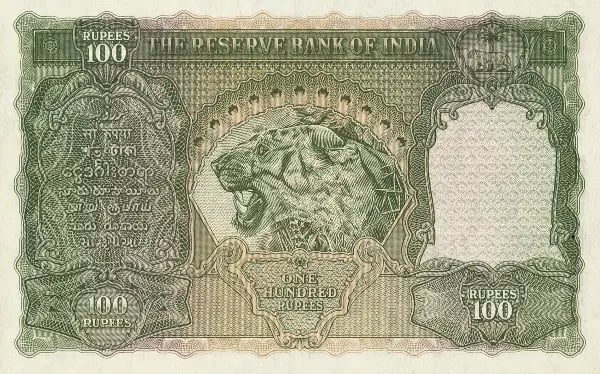
In recent years, the demand for graded Indian currency notes has risen sharply, driven by growing interest in paper money collecting and investor confidence in certified collectibles. For collectors of Indian banknotes, grading by a recognized third-party service like PMG (Paper Money Guaranty) has become a vital step in establishing both authenticity and market value.
Graded banknotes offer more than just aesthetic appeal—they provide objective verification of condition, protection from handling damage, and greater ease in buying, selling, or insuring rare pieces. In a market increasingly concerned with trust and transparency, encapsulated Indian currency notes tend to attract stronger premiums and faster transactions than raw or uncertified examples.
But how do you know which Indian banknotes are truly worth submitting for grading? Is PMG the best choice for all note types? What are the alternatives—and when should you avoid grading altogether?
This guide answers all these questions and more. We’ll cover the fundamentals of banknote grading, explain what PMG does and why it’s trusted worldwide, and explore which Indian notes—like British India rarities, Republic India high-grade issues, and Persian Gulf or Haj notes—are ideal candidates for submission. You’ll also learn when to skip grading, how population reports help assess rarity, and what other grading options exist beyond PMG.
Whether you're a seasoned numismatist or a beginner wondering if your Indian paper money is worth encapsulating, this article offers the essential insights you need to make informed grading decisions.
What Is Banknote Grading and Why It Matters
Banknote grading is the process of professionally assessing the physical condition and authenticity of a currency note. For Indian paper money collectors, grading provides an objective standard to describe a note’s quality—removing guesswork and personal bias from valuation. Grading is especially important when dealing with older issues such as British India notes, rare overprints, and uncirculated Republic India varieties.
The most trusted grading services, like PMG (Paper Money Guaranty), use a 70-point numerical scale to evaluate factors such as centering, color, folds, handling marks, paper quality, and overall eye appeal. Grading involves understanding how each of these elements affects a note’s condition and market value. If you're unsure what examiners look for in practice, our companion guide, How to Grade Banknotes, offers a clear breakdown of grading standards. Beyond condition, authentication plays a critical role. PMG’s expert review ensures a note is genuine, adding credibility and making it easier to sell or insure.
It’s also important to understand the difference between authentication and subjective grading. Authentication answers the question, “Is this real?” while grading evaluates, “How well-preserved is this note?” PMG does both—offering an unbiased certification that helps protect buyers, sellers, and collectors alike.
In a growing numismatic market where condition directly affects value, third-party grading has become an essential tool. Whether you're buying Indian currency notes online or selling them at a show, a graded note backed by PMG’s reputation inspires confidence—and often commands a premium.
What Is PMG and Why Do Collectors Use It?
Paper Money Guaranty (PMG) is one of the world’s leading third‑party grading services for banknotes and paper money. Founded to bring transparency and consistency to the currency market, PMG is widely trusted by collectors, dealers, auction houses, and museums—especially for high‑value and historically important notes.
What Does PMG Do?
PMG’s primary role is to authenticate, grade, and encapsulate banknotes. Each submitted note is examined by multiple experts to confirm that it is genuine and free from undisclosed alterations. Once authenticated, the note is graded using PMG’s 70‑point scale and sealed in a tamper‑evident holder with a detailed label listing the grade, issue, and key identifiers. This holder protects the note from environmental damage while preserving its condition.
Benefits of PMG Grading
For Indian currency note collectors, PMG grading offers several advantages. It provides independent verification, which is especially important for rare British India issues, high‑grade King George VI notes, Persian Gulf and Hajj issues, and specimen banknotes. A PMG‑graded note is easier to sell, easier to insure, and generally commands stronger buyer confidence—both in India and internationally.
PMG vs. Raw Banknotes
While many collectors still enjoy raw (ungraded) notes, PMG-certified banknotes remove much of the uncertainty surrounding condition and authenticity. To better understand how the 70-point grading scale works and what each grade means, you can explore our full guide: PMG Banknote Grading Explained. Buyers no longer need to rely solely on seller descriptions or photographs. The combination of authentication, standardized grading, and protective encapsulation makes PMG‑certified notes the preferred choice for collectors focused on long‑term value, authenticity, and global market acceptance.
How Grading Enhances Value and Trust
Grading plays a crucial role in elevating the value, credibility, and marketability of Indian banknotes—especially in a market where condition, consistency, and presentation directly influence pricing. PMG’s standardized grading and encapsulation process transforms a raw note into a professionally certified collectible, complete with internationally recognized credentials.
Boosting Buyer Confidence and Market Value
When a banknote is graded by PMG, it removes ambiguity around condition and authenticity. Terms like “UNC” or “AU” can vary from seller to seller, but PMG’s 70-point scale offers a consistent and impartial benchmark. This helps both collectors and investors make informed decisions, boosting buyer confidence and justifying premium pricing for high-grade notes.
Grading also increases a note’s visibility and desirability in auctions, online marketplaces, and private sales. PMG-certified notes are more likely to attract attention from serious buyers who prioritize condition and provenance.
Long-Term Protection and Presentation
Beyond grading, PMG’s encapsulation offers physical protection that enhances long-term preservation. The sealed holder is tamper-evident, archival-safe, and shields notes from dust, humidity, and handling damage. This is especially important for delicate or high-value items—such as British India uniface notes, early Republic issues, or regional rarities like Gulf and Hajj notes.
In essence, PMG grading not only adds transparency and value to your Indian currency notes—it also safeguards them for future generations. For collectors aiming to protect their investment and elevate the status of their collection, grading is a strategic and worthwhile step.
What Is a PMG Population Report and Why It Helps Collectors
PMG’s Population Report is a powerful tool that gives collectors insight into how many notes of a particular type, denomination, and grade have been certified by PMG. For Indian banknote collectors, this data can help assess scarcity, demand, and grading trends—especially for high-grade or unusual issues.
The pop report allows you to see, for example, how many 100 Rupees King George VI notes have been graded in Uncirculated condition or how rare a specific Burma or Hyderabad issue might be above Choice VF. This information is particularly useful when comparing prices, evaluating purchases, or determining whether to submit a note for grading.
More than just a rarity index, the PMG Population Report also helps protect collectors from inflated claims. If a dealer describes a note as “one of only a few known in this grade,” the population report offers a quick way to verify that claim with publicly accessible data.
For Indian currency notes—where certain varieties can be visually similar but dramatically different in market value—population data adds an extra layer of confidence. Whether you're investing in British India portrait notes, early Republic high-denomination issues, or regional rarities, knowing how many graded examples exist gives you a measurable edge in making smart, informed collecting decisions.
To explore how many Indian notes have been graded by PMG—including breakdowns by denomination and grade—you can visit the official PMG India Population Report.
When Should You Submit Indian Banknotes for Grading?
Not every Indian currency note merits third-party grading, but for certain categories—especially those with historical significance, rarity, or exceptional condition—PMG certification can add substantial value and protection. Whether you're a serious collector or an investor, knowing what types of notes justify submission helps you make the most of your grading budget.
Colonial Notes
British India notes remain among the most compelling candidates for grading, particularly early issues—even in lower grades—such as the Presidency series and green underprint notes. Red underprint notes and King George V portrait issues are worthwhile for examples in VF condition and above. High-grade King George VI notes—from India, British Burma, and Pakistan overprints—also benefit significantly from encapsulation, especially when preserved in XF or higher condition, depending on the rarity of the note.
Some standout examples include the King George V banknotes overprinted “Legal Tender in Burma Only,” as well as the vivid RBI-issued “Peacock Series” notes from British Burma. Colonial issues from Portuguese and French India are rarely seen in pristine grades. Their low survival rates make them ideal candidates for grading, which enhances both long-term preservation and market trust—especially when dealing with high-end collectors or auction houses.
Republic India Notes
While more common, certain Republic India issues are still well worth submitting to PMG. Early Ashoka Pillar high-denomination notes—such as 1000 Rupees, 5000 Rupees, and 10,000 Rupees—were demonetized and destroyed in large numbers, making surviving examples in nice condition scarce and valuable. Lower denominations in Choice or Gem UNC condition can also benefit from grading, especially for collectors focused on completeness or grade rarity.
Republic-era error notes, including from the Mahatma Gandhi series, are another strong category. Misprints, alignment errors, or mismatched serials can command premiums when authenticated and labeled by PMG. Fancy serial numbers—such as solids (e.g., 111111), ladders (e.g., 123456), or low serials (e.g., 000001)—are highly collectible and gain both legitimacy and appeal when encapsulated.
Specimen notes—marked with “SPECIMEN" or zero serial numbers—are also excellent grading candidates. Persian Gulf and Hajj issues—printed in India for overseas use—also deserve attention. With their distinct prefixes and color schemes, these notes are difficult to find in top condition and are prized by regional and thematic collectors.
In all these cases, grading does far more than assign a score. It preserves condition, confirms authenticity, and elevates trust and value—helping collectors present their notes with confidence in any marketplace.
When You May Want to Skip Grading
While grading adds value to many Indian currency notes, it isn’t always necessary or cost-effective. Collectors should carefully weigh the benefits against the fees—especially when dealing with common, damaged, or lower-value notes.
Circulated notes with obvious flaws—such as heavy folds, stains, heavy soiling, tears, pinholes, or edge damage—often don’t justify the cost of third-party grading. While such notes can still hold historical interest or sentimental value, their market price may not increase significantly after encapsulation. In many cases, the grading fee alone can exceed the value of the note in its current condition.
Similarly, notes that exist in high population numbers—such as later Republic India denominations printed in the millions—may not benefit much from certification unless they are in pristine condition or have special features like fancy serial numbers or errors. For such modern notes without any special features, proper storage in archival sleeves or albums may be sufficient for protection and display.
Ultimately, not every note needs to be slabbed. Grading is best reserved for notes where authenticity, condition, and market demand combine to create a strong return on investment. For collectors focused on volume, education, or completing type sets in average grades, keeping notes raw can still be a valid and enjoyable collecting approach.
Alternatives to PMG for Indian Banknotes
While PMG (Paper Money Guaranty) is the most widely recognized grading service for Indian currency notes, collectors have a few other options—each with its own pros and cons. Internationally, PCGS Banknote is a strong alternative. Like PMG, it offers third-party authentication, encapsulation, and uses a consistent grading scale. PCGS-graded notes are generally accepted in major auctions and by advanced collectors worldwide, making them a reliable choice for those dealing with high-value or globally traded notes.
In India, PMCS (Paper Money Certification Service) provides a local alternative. It caters primarily to the Indian market and offers more accessible pricing and turnaround times. While not as globally recognized as PMG or PCGS, PMCS has been growing in popularity among domestic collectors and dealers—especially for Republic India and thematic collections.
However, collectors should exercise caution with lesser-known or unverified grading companies. Some services may offer attractive slabs or labels, but without consistent standards or broad market trust, these notes often fail to command premiums in resale. Misleading or inflated grades from such companies can damage a collection’s credibility and resale potential.
When choosing a grading service, it’s important to consider market recognition, grading consistency, resale value, and overall reputation. For rare, historic, or investment-grade Indian banknotes, trusted names like PMG and PCGS remain the safest and most respected options in the global numismatic world.
Conclusion
Grading Indian currency notes isn't a one-size-fits-all decision. For rare, well-preserved, or historically significant issues—such as British India uniface notes, high-grade King George VI notes, or early Republic high-denomination issues—PMG certification can enhance long-term value, market confidence, and protection. It also plays a crucial role in confirming grade consistency and aiding resale in auctions or private sales.
However, not every note benefits equally. Common, circulated, or damaged notes may not justify grading fees, especially when they hold limited resale potential. In these cases, safe storage and careful handling can be more practical than encapsulation.
Ultimately, your decision to grade should match your collecting goals. If you seek preservation, liquidity, and long-term investment, grading is a powerful tool. If you collect for education, completeness, or enjoyment, raw notes may suit you just as well. The key is staying informed, using trusted references, and choosing a path that fits both your budget and your passion for Indian paper money.