
RBI Governors (1935–1970): Signatures on Indian Banknotes
Explore RBI Governors from 1935 to 1970, their signatures on Indian banknotes, and the evolution of Indian paper money from British India to the Republic era.
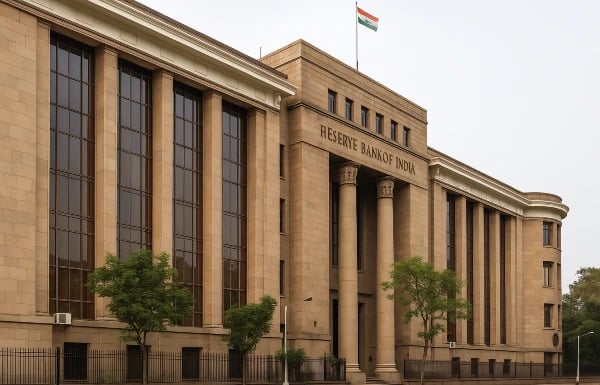
The Reserve Bank of India (RBI), established on 1 April 1935, has played a central role in shaping India’s monetary system and issuing the nation’s currency. From the final years of British India to the early decades of the Republic, RBI Governors oversaw some of the most important transitions in Indian financial history. Their signatures appeared on Indian banknotes across major political and economic milestones, including World War II, independence in 1947, decimalization, and the nationalization era. For collectors of Indian paper money, these signatures serve as valuable historical identifiers that help trace the evolution of Indian currency.
Between 1935 and 1970, the Reserve Bank of India was led by a series of influential Governors whose decisions shaped both the banking system and the design of Indian banknotes. This period witnessed the transition from King George VI portrait notes to the iconic Ashoka Pillar series, along with the introduction of Republic India currency and commemorative banknotes. Many of these notes remain highly collectible today due to their historical importance, rarity, and connection to specific RBI Governors.
This article explores the RBI Governors from 1935 to 1970, their contributions to Indian monetary history, and the banknotes that carried their signatures. From Sir Osborne Smith, the first Governor of the RBI, to L. K. Jha and the Gandhi Centenary issues, these early Governors left a lasting imprint on Indian currency and the broader history of India’s financial system.
Early RBI Governors and the Evolution of Indian Currency
The history of the Reserve Bank of India is closely tied to the evolution of Indian banknotes. When the RBI was established in 1935, India was still under British colonial rule, and paper money largely reflected imperial authority through portrait of King George V. Over the next few decades, however, Indian currency underwent dramatic transformation. Political independence, economic reforms, wartime pressures, and modernization efforts all influenced how Indian banknotes were designed, issued, and circulated.
One of the most important milestones came in 1938, when the Reserve Bank of India officially assumed responsibility for issuing banknotes from the Government of India. The first RBI-issued notes featured the portrait of King George VI and carried the signature of RBI Governor J. B. Taylor. These notes marked the beginning of RBI-issued paper money in India and established the Governor’s signature as a permanent feature of Indian currency.
Following independence in 1947, Indian currency gradually shed its colonial identity. The introduction of the Ashoka Pillar emblem on Republic India banknotes reflected the nation’s emergence as a sovereign republic and became one of the defining symbols of post-independence currency. During the 1950s and 1960s, the RBI introduced several notable monetary changes, including decimal coinage, Persian Gulf Rupees, Haj notes, reduced-size banknotes, and the Mahatma Gandhi Birth Centenary commemorative issues of 1969.
For collectors, the signatures of RBI Governors provide a useful way to identify specific note varieties, time periods, and historical transitions. Certain Governors are associated with key currency milestones, while others signed rare or short-lived issues that are highly sought after in the numismatic market. Studying these signatures offers valuable insight into both the development of Indian paper money and the broader economic history of India.
Sir Osborne Smith (1935–1937)
As the first Governor of the Reserve Bank of India, Sir Osborne Arkell Smith played a foundational role in establishing India’s central banking system. Although no regularly issued Indian banknotes bear his signature, his tenure marked the beginning of the RBI’s institutional history and laid the groundwork for the future development of Indian currency management.
Background and Appointment
Sir Osborne Smith was an experienced banker who previously served as the Managing Governor of the Imperial Bank of India, the leading commercial banking institution in British India before the formation of the RBI. Due to his extensive banking expertise, he was selected as the inaugural Governor of the Reserve Bank of India when the institution commenced operations on 1 April 1935.
His appointment came during a period when British India sought greater monetary coordination and centralized banking oversight following recommendations made by the Hilton Young Commission. As the first Governor, Smith was tasked with building the RBI from the ground up, including establishing its administrative framework, operational systems, and institutional structure.
Contributions to the Reserve Bank of India
Osborne Smith’s tenure focused primarily on organizing the newly created central bank and defining its early role within British India’s financial system. He helped establish the RBI’s core operational departments and supervised the transition toward centralized monetary management.
Although his time as Governor was relatively short, Osborne Smith remains an important figure in Indian financial history. He supervised the RBI during its formative stage and helped establish the institutional foundations that later enabled the central bank to expand its role within India’s monetary system.
Banknotes and Signature Notes
No officially issued Indian banknotes carry the signature of Osborne Smith as RBI Governor. During his tenure, the Reserve Bank had not yet begun issuing regular currency notes under its own authority.
However, his signature is known to appear on certain rare essay and trial banknotes prepared for proposed King Edward VIII issues. These notes were never released for circulation because King Edward VIII abdicated the British throne in 1936 before the new currency designs could be finalized.
J. B. Taylor (1937–1943)
J. B. Taylor was the second Governor of the Reserve Bank of India and the first RBI Governor whose signature appeared on Indian banknotes. His tenure marked the beginning of RBI-issued paper money in India and coincided with major global events including World War II and significant monetary developments within British India.
Background and Appointment
Sir James Braid Taylor had extensive experience in Indian financial administration long before becoming RBI Governor. He served on the Indian Currency Board and played an important role in drafting the Reserve Bank of India Act, 1934, which led to the establishment of the RBI. His strong understanding of currency management and monetary policy made him one of the key architects of India’s early central banking framework.
Following the resignation of Sir Osborne Smith, Taylor was appointed Governor of the Reserve Bank of India on 1 July 1937. His appointment brought continuity and stability during the RBI’s formative years, when the institution was still defining its operational role within British India’s financial system.
Contributions to the Reserve Bank of India
Taylor’s tenure witnessed one of the most important milestones in Indian monetary history. In 1938, the Reserve Bank of India formally assumed responsibility for issuing currency notes from the Government of India. This transition established the RBI as the official issuer of Indian paper money and introduced the Governor’s signature as a defining feature of Indian banknotes.
Under Taylor’s leadership, the RBI issued the first banknotes bearing the portrait of King George VI. These notes became the standard currency of British India during the late colonial era and circulated widely throughout the subcontinent. His governorship also coincided with the outbreak of World War II, a period that placed significant pressure on colonial finances and currency circulation. The RBI was required to manage wartime monetary demands, rising inflationary pressures, and expanding government expenditure.
Taylor additionally oversaw aspects of Burma’s monetary administration before the Japanese occupation disrupted the region during the war. His tenure ultimately came to an unexpected end when he died in office on 17 February 1943, making him the only RBI Governor to pass away while serving in the position.
Banknotes and Signature Notes
J. B. Taylor holds a unique position in Indian numismatics as the first RBI Governor to sign Indian currency notes. His signature, written as “J. B. Taylor,” appears on several King George VI issues, including the 2, 5, 10, 100, 1000, and 10000 Rupees denominations. These notes represent the earliest regular issues of Reserve Bank of India paper money and are highly prized by collectors of British India currency.
He did not sign 1 Rupee notes, as those continued to be issued separately by the Government of India rather than the Reserve Bank. In addition to Indian issues, Taylor’s signature also appears on Reserve Bank of India Burma notes and Military Administration of Burma issues.
C. D. Deshmukh (1943–1949)
C. D. Deshmukh was the first Indian Governor of the Reserve Bank of India and one of the most important figures in the institution’s early history. His tenure spanned a transformative period that included the final years of British rule, World War II, Indian independence in 1947, and the partition of India and Pakistan. For collectors of Indian banknotes, Deshmukh’s signature is especially significant because it appears on both British India and early Republic-era currency issues.
Background and Appointment
Sir Chintaman Dwarakanath Deshmukh was a distinguished member of the Indian Civil Service (ICS) and held several important administrative and financial positions before becoming Governor of the Reserve Bank of India. Educated at Cambridge University, he was widely respected for his intellect and administrative ability.
In 1943, Deshmukh became the first Indian to be appointed Governor of the RBI, marking a major milestone in the gradual Indianization of key financial institutions during the late colonial period. His appointment carried strong symbolic importance at a time when Indian participation in high-level policymaking was steadily increasing. In recognition of his services during World War II, he was knighted by the British government in 1944.
Contributions to the Reserve Bank of India
Deshmukh’s tenure coincided with some of the most turbulent and historically important years in South Asian monetary history. During World War II, the Reserve Bank faced enormous pressure to manage wartime finance, inflation, and expanding currency circulation. Deshmukh played a major role in maintaining financial stability during this difficult period.
Following Indian independence in 1947, the RBI was confronted with the immense challenge of partition. The division of British India into India and Pakistan required the separation of currency reserves, banking assets, and monetary administration. Deshmukh supervised the RBI’s role in this transition and also oversaw the Reserve Bank’s temporary function as the central bank for Pakistan during the first year after partition.
His tenure additionally marked the beginning of India’s transition away from colonial monetary symbolism. Under his governorship, the RBI introduced the first banknotes bearing the Ashoka Pillar emblem, replacing the portrait of the British monarch with an Indian national symbol. This represented a defining moment in the evolution of Indian currency and reflected the emergence of India’s independent national identity.
Deshmukh resigned as RBI Governor in 1949 shortly before the Reserve Bank of India was nationalized. He later served as India’s Finance Minister from 1950 to 1956 and remained one of the most influential economic policymakers of early independent India.
Banknotes and Signature Notes
C. D. Deshmukh’s signature appears on a wide range of historically important banknotes spanning multiple political transitions. His signature can be found on late British India King George VI notes in denominations including 2, 5, 10, and 100 Rupees. These notes circulated during World War II and the final years of colonial administration.
He also signed several Burma-related wartime issues, including Military Administration of Burma notes and Burma Currency Board overprint issues. In addition, his signature appears on early Dominion of Pakistan banknotes that continued using King George VI designs after partition.
Most importantly, Deshmukh became the first RBI Governor to sign Indian banknotes bearing the Ashoka Pillar emblem. The introduction of these post-independence notes marked the beginning of Republic-style Indian currency and remains one of the most important transitions in Indian numismatic history.
B. Rama Rau (1949–1957)
B. Rama Rau was the fourth Governor of the Reserve Bank of India and the longest-serving RBI Governor of the early post-independence era. His tenure coincided with the formative years of India’s economic planning system and the consolidation of Republic India currency. Banknotes signed by Rama Rau are among the most recognizable early Ashoka Pillar issues and represent an important phase in the development of independent India’s monetary identity.
Background and Appointment
Benegal Rama Rau was a senior member of the Indian Civil Service (ICS) and had extensive experience in finance, diplomacy, and public administration before becoming RBI Governor. Prior to his appointment, he served as India’s Ambassador to the United States and also worked as Financial Adviser to the Government of India.
Rama Rau became Governor of the Reserve Bank of India on 1 July 1949, shortly after the RBI was nationalized. His appointment came at a crucial moment when independent India was establishing its own economic institutions and long-term development policies.
Contributions to the Reserve Bank of India
Rama Rau’s tenure covered a critical period in India’s transition from a colonial economy to a planned sovereign economy. During the 1950s, the RBI played a growing role in supporting economic development, agricultural financing, industrial expansion, and state-led planning initiatives connected to the First and Second Five-Year Plans.
Under his leadership, the Reserve Bank strengthened its institutional framework and expanded its influence in monetary policymaking. India also faced several economic challenges during this period, including inflationary pressures, food shortages, and foreign exchange constraints. Rama Rau worked to maintain financial stability while supporting the country’s broader developmental objectives.
His governorship is also remembered for reinforcing the RBI’s institutional authority during the early years of independent India. However, tensions later emerged between the Reserve Bank and the Government of India regarding monetary policy and interest rate regulation. These disagreements, particularly with Finance Minister T. T. Krishnamachari, eventually led to Rama Rau’s resignation in January 1957.
Banknotes and Signature Notes
Banknotes issued during Rama Rau’s governorship featured the Ashoka Pillar emblem and reflected the growing confidence of independent India’s currency system. His signature can be found on denominations ranging from 2 Rupees to the high-value 10000 Rupees note. These issues circulated extensively throughout the 1950s and are now regarded as classic early Republic India banknotes.
K. G. Ambegaonkar (1957)
K. G. Ambegaonkar served as the interim Governor of the Reserve Bank of India for a brief period in 1957 following the resignation of B. Rama Rau. Although his tenure lasted only a few weeks, he remains part of the historical sequence of early RBI Governors who oversaw India’s developing monetary system during the post-independence era.
Background and Appointment
Krishnanath Ganesh Ambegaonkar was a senior Indian Civil Service (ICS) officer with extensive experience in financial administration. Before his temporary appointment as RBI Governor, he served in important government positions including Secretary in the Ministry of Finance.
Following the resignation of B. Rama Rau in January 1957, Ambegaonkar was appointed as interim Governor to ensure administrative continuity at the Reserve Bank until a permanent successor could be selected. His appointment reflected the government’s confidence in his administrative experience and understanding of India’s financial system.
Contributions to the Reserve Bank of India
Because of the extremely short duration of his tenure, Ambegaonkar did not introduce major monetary reforms or policy changes during his time as Governor. His primary role was to maintain operational stability and oversee the day-to-day functioning of the Reserve Bank during a transitional period.
Although his governorship is generally viewed as a temporary administrative phase between two longer-serving Governors, it remains historically relevant because it occurred during a period when India’s financial institutions were continuing to expand and modernize in the early years after independence.
Banknotes and Signature Notes
No banknotes were issued bearing K. G. Ambegaonkar’s signature as Governor of the Reserve Bank of India. Due to the brevity of his tenure, no circulation notes entered production under his authority.
However, Ambegaonkar’s signature does appear on 1 Rupee notes issued during his service as Finance Secretary to the Government of India. Unlike higher denomination notes issued by the RBI, 1 Rupee notes are issued directly by the Government of India and carry the signature of the Finance Secretary rather than the RBI Governor.
H. V. R. Iengar (1957–1962)
H. V. R. Iengar served as Governor of the Reserve Bank of India during a period of major monetary modernization and institutional expansion. His tenure is especially important in the history of Indian currency because it coincided with the introduction of decimal coinage and the continued evolution of Republic India banknotes. Collectors also associate Iengar’s signature with several specialized currency issues, including Persian Gulf Rupees and Haj notes.
Background and Appointment
Haravu Venkatanarasingha Verada Raj Iengar, commonly known as H. V. R. Iengar, was a distinguished member of the Indian Civil Service (ICS) and held several senior administrative positions before becoming RBI Governor. He was widely respected for his expertise in finance and public administration.
Iengar became Governor of the Reserve Bank of India on 1 March 1957, succeeding K. G. Ambegaonkar. His appointment came during a period when India was working to modernize its financial infrastructure and strengthen the role of the RBI within the country’s developing economic framework.
Contributions to the Reserve Bank of India
One of the most significant developments during Iengar’s tenure was the introduction of decimal coinage in 1957. India replaced the old system of pies and annas with a decimal currency structure based on 100 naye paise to one Rupee. This reform modernized India’s monetary system and simplified everyday transactions, bringing the country in line with international standards.
Iengar also oversaw continued expansion of the banking system and improvements in monetary administration during a period of economic growth and industrial development. The RBI increasingly strengthened its role in supervising financial institutions and supporting India’s broader development policies.
His governorship additionally witnessed the issuance of special-purpose currency for overseas circulation. These included the Persian Gulf Rupees issued for circulation in Gulf states and special Haj notes intended for Indian pilgrims traveling to Saudi Arabia. These issues later became some of the most distinctive and collectible banknotes of the Republic India period.
Banknotes and Signature Notes
H. V. R. Iengar’s signature appears on several Ashoka Pillar series banknotes issued during the late 1950s and early 1960s. These included denominations of 2, 5, 10, 100, 1000, 5000, and 10000 Rupees.
Several banknotes issued during Iengar’s governorship are notable for their distinctive reverse designs. The 100 Rupees denomination, for instance, appeared with different motifs including an elephant design and a large dam symbolizing India’s industrial progress and infrastructure development.
Iengar’s signature also appears on the famous Persian Gulf Rupees issued in denominations such as 5, 10, and 100 Rupees for circulation in Gulf countries including Kuwait, Bahrain, Qatar, and the Trucial States. In addition, he signed 10 and 100 Rupees Haj notes issued for Indian pilgrims traveling to Mecca. These special-purpose issues are among the most historically interesting banknotes of the period.
P. C. Bhattacharya (1962–1967)
P. C. Bhattacharya served as Governor of the Reserve Bank of India during a period of economic transition and modernization in Indian banking. His tenure is remembered for important currency reforms, including the gradual introduction of reduced-size banknotes that later became the standard format for Indian paper money. Collectors of Republic India currency often associate his signature with transitional note varieties and size changes across several denominations.
Background and Appointment
Padmanabha Chetty Bhattacharya, commonly known as P. C. Bhattacharya, was an experienced banker and financial administrator before becoming Governor of the Reserve Bank of India. Prior to his appointment, he served as Chairman of the State Bank of India, where he gained extensive experience in banking operations and financial management.
Bhattacharya became Governor of the Reserve Bank of India on 1 March 1962. His appointment came during a time when India was expanding its public sector institutions and increasing the role of banking within economic planning and national development.
Contributions to the Reserve Bank of India
Bhattacharya’s tenure focused on strengthening monetary discipline and improving the institutional framework of India’s banking system. During the 1960s, the Indian economy faced rising public expenditure, foreign exchange pressures, and increasing demands on the financial sector as the government pursued industrial and developmental policies.
One of the most important developments during his governorship was the transition toward smaller-sized banknotes. The Reserve Bank gradually reduced the dimensions of several denominations in order to lower printing costs, improve handling efficiency, and modernize currency production. This shift represented a major physical transformation in the appearance of Indian paper money and influenced subsequent banknote design for decades.
Bhattacharya also played an important role in reinforcing the RBI’s supervisory functions during a period of growing banking activity. Although discussions about bank nationalization intensified during the 1960s, he reportedly expressed reservations about large-scale state control of private banks, preferring a more gradual strengthening of the existing financial system.
Banknotes and Signature Notes
P. C. Bhattacharya’s signature appears on Ashoka Pillar series banknotes in denominations of 2, 5, 10, 100, and 1000 Rupees. Many of these issues exist in both the earlier large-size format and the newer reduced-size format introduced during his tenure.
Collectors find Bhattacharya’s notes especially interesting because they document one of the most visible physical changes in Republic India currency. The shift toward reduced-size banknotes modernized Indian paper money and established the format later adopted for most subsequent issues.
L. K. Jha (1967–1970)
L. K. Jha served as Governor of the Reserve Bank of India during one of the most transformative periods in Indian banking history. His tenure coincided with the nationalization of major commercial banks and the issuance of India’s first commemorative banknotes. Collectors of Indian paper money particularly associate his signature with reduced-size Ashoka Pillar notes and the famous Mahatma Gandhi Birth Centenary issues of 1969.
Background and Appointment
Lakshmi Kant Jha was a distinguished civil servant, economist, and diplomat before becoming Governor of the Reserve Bank of India. A member of the Indian Civil Service (ICS), he held several important administrative positions during both the colonial and post-independence periods.
Before joining the RBI, Jha served as Secretary to Prime Minister Lal Bahadur Shastri and played a significant role in shaping India’s economic policy during the 1960s. His experience in administration and economic planning made him a prominent figure within the Indian financial establishment.
Jha became Governor of the Reserve Bank of India on 1 July 1967, at a time when India’s banking system was undergoing rapid structural change and increasing government intervention.
Contributions to the Reserve Bank of India
The most important event during Jha’s tenure was the nationalization of 14 major commercial banks in July 1969. This landmark reform fundamentally changed the structure of India’s banking system by bringing large private banks under government ownership. The objective was to align banking services with national development goals, expand rural credit access, and increase financial inclusion across the country.
As RBI Governor, Jha played an important role in managing the transition and overseeing the implementation of the new banking framework. His tenure also reflected growing coordination between monetary policy and government-led economic planning during the late 1960s.
In addition to bank nationalization, Jha supported efforts to strengthen institutional policymaking and improve coordination between fiscal and monetary authorities. His governorship marked a period when the Reserve Bank’s role within India’s planned economy continued to expand significantly.
Banknotes and Signature Notes
L. K. Jha’s signature appears on reduced-size Ashoka Pillar banknotes in denominations of 2, 5, 10, and 100 Rupees. These notes continued the smaller banknote format introduced during the previous governorship and became standard circulation issues during the late 1960s.
Jha is best remembered among collectors for signing India’s first commemorative banknote series issued for the birth centenary of Mahatma Gandhi. On 2 October 1969, the Reserve Bank of India issued commemorative notes in denominations of 2, 5, 10, and 100 Rupees. These notes featured special design elements connected to Gandhi’s centenary celebrations and remain among the most historically important Republic India banknotes.
Although Jha did not sign the 1 Rupee Gandhi Centenary note, his signature does appear on regular Government of India 1 Rupee notes dated 1957 and 1963, issued during his earlier service as Finance Secretary. This gives Jha an interesting place in Indian currency history, as his signature appears both on 1 Rupee notes issued by the Government of India and on higher denomination banknotes issued by the Reserve Bank of India during his governorship.
B. N. Adarkar (1970)
B. N. Adarkar served as interim Governor of the Reserve Bank of India during a brief transitional period in 1970. Although his tenure lasted only a short time, his signature appears on an important commemorative banknote issue connected to the Mahatma Gandhi Birth Centenary series.
Background and Appointment
Bhagwati Narayan Adarkar was a respected economist and civil servant who contributed significantly to India’s economic administration and policy development. Before becoming Governor of the Reserve Bank of India, he served as Economic Adviser to the Government of India and later joined the RBI as Deputy Governor.
Following the departure of L. K. Jha, Adarkar was appointed interim Governor on 4 May 1970. His term lasted only 42 days, making it one of the shortest governorships in RBI history. Despite the brevity of his tenure, he played an important role in maintaining institutional continuity during the transition to the next full-time Governor.
Contributions to the Reserve Bank of India
Because Adarkar served as Governor for only a short period, his tenure did not involve major monetary reforms or structural policy changes. His primary responsibility was to ensure stability within the Reserve Bank and oversee routine monetary operations during the interim period.
Nevertheless, Adarkar remained an influential figure in India’s broader economic administration. His work as an economist and policy adviser contributed to India’s post-independence financial planning and institutional development during the mid-20th century.
Banknotes and Signature Notes
B. N. Adarkar’s signature is best known from the reissued Mahatma Gandhi Birth Centenary commemorative banknotes released on 24 August 1970. These commemorative issues were issued in denominations of 2, 5, 10, and 100 Rupees and carried forward the Gandhi centenary theme first introduced during L. K. Jha’s governorship.
Due to the brief duration of his governorship,no regular note series were introduced during his administration, making the Gandhi Centenary issues the primary currency type associated with his tenure.
Conclusion
The period from 1935 to 1970 was one of the most important eras in the history of the Reserve Bank of India and the evolution of Indian currency. During these decades, the RBI transformed from a newly established colonial institution into the central banking authority of an independent nation. The Governors who led the Reserve Bank through this period played crucial roles in managing wartime finance, overseeing independence and partition, modernizing India’s monetary system, and supporting the country’s early economic development.
For collectors of Indian paper money, the signatures of these early RBI Governors provide a unique way to trace the history of Indian banknotes across different political and economic periods. From the first RBI-issued King George VI notes signed by J. B. Taylor to the early Ashoka Pillar series of independent India and the Gandhi Birth Centenary commemorative issues signed by L. K. Jha and B. N. Adarkar, each signature reflects an important chapter in India’s monetary history.
These banknotes serve as tangible records of India’s transition from colonial rule to sovereign nationhood. Changes in denomination formats, national symbols, commemorative themes, and specialized issues such as Persian Gulf Rupees and Haj notes illustrate how Indian currency evolved alongside the country’s political and economic transformation.
Today, RBI Governor signature notes remain an important area of Indian numismatics. Collectors continue to study these banknotes not only for their rarity and value, but also for the stories they tell about India’s financial system, political transformation, and economic development during the mid-20th century.
Frequently Asked Questions
Below are answers to some of the most commonly asked questions about early RBI Governors, their signatures, and Indian banknotes issued between 1935 and 1970.
Who was the first Governor of the Reserve Bank of India?
The first Governor of the Reserve Bank of India was Sir Osborne Smith, who served from 1935 to 1937. Although no regular Indian banknotes bear his signature, he played a key role in establishing the RBI during its formative years.
Which RBI Governor first signed Indian banknotes?
J. B. Taylor was the first RBI Governor whose signature appeared on Indian banknotes. His signature first appeared on King George VI notes issued by the Reserve Bank of India in 1938.
Which RBI Governor was the first Indian to lead the RBI?
C. D. Deshmukh became the first Indian Governor of the Reserve Bank of India in 1943. He later oversaw major events including Indian independence and the transition to Ashoka Pillar banknotes.
Which RBI Governor signed the first Ashoka Pillar notes?
C. D. Deshmukh was the first RBI Governor to sign Indian banknotes featuring the Ashoka Pillar emblem after independence.
Which RBI Governors signed Persian Gulf Rupees?
H. V. R. Iengar signed RBI Persian Gulf Rupees issued for circulation in Gulf countries such as Kuwait, Bahrain, Qatar, and the Trucial States.
Which RBI Governors signed Haj notes?
H. V. R. Iengar signed Haj notes issued for Indian pilgrims traveling to Saudi Arabia for Hajj.
Which RBI Governor signed India’s first commemorative banknotes?
L. K. Jha signed India’s first commemorative banknote series issued in 1969 to celebrate the birth centenary of Mahatma Gandhi.
Which RBI Governor served the longest between 1935 and 1970?
B. Rama Rau served as RBI Governor from 1949 to 1957, making him the longest-serving Governor during this period.
Did RBI Governors sign 1 Rupee notes?
Indian 1 Rupee notes are issued by the Government of India rather than the Reserve Bank of India. As a result, these notes carry the signature of the Finance Secretary instead of the RBI Governor. However, some individuals who later became RBI Governors also signed 1 Rupee notes during their earlier service as Finance Secretary. Notable examples include K. G. Ambegaonkar and L. K. Jha.
Why are RBI Governor signatures important to collectors?
RBI Governor signatures help collectors identify specific time periods, banknote varieties, and historical transitions in Indian currency.